Planno is using geospatial AI to solve the unglamorous problem of finding the right rooftops — and it just won backing from the man who built the Arab world’s first utility-scale solar company.
Solar has never had more money or sunlight behind it, yet the industry still struggles to answer a surprisingly basic question: which rooftops are actually worth building on, and who owns them? Sales teams can spend weeks or even months on this, pulling satellite images and tracking down whoever holds the deed to a given warehouse, or following a list of purchased leads also sold to their competitors; most of that effort leads nowhere. Daniel Domingues watched it happen for years as an energy engineer and advisor before deciding the frustration itself was worth building a company around.
That company is Planno, and rather than treating rooftop prospecting as legwork, it treats it as an intelligence problem. The platform combines satellite imagery, geospatial AI, and local market data to spot high-value commercial and industrial roofs, work out who owns them, and hand developers a ready-made list to work through. Less guessing, more targeting.
The idea has now won over support from someone who understands scaling sustainability ideas better than most. Planno has raised a strategic investment from Incubayt Investments, founded by Sami Khoreibi, who built the Arab world’s first utility-scale solar developer, grew it past $750 million in revenue across nine countries, and sold it to a UK pension fund. It’s his firm’s first bet on geospatial AI for solar.
“The solar industry has never been short of capital or sunlight,” Khoreibi said in the recent announcement. “What it lacked was intelligence. Where to build, and who owns the roof. In a data-driven economy, that insight is as valuable as the projects themselves. Planno is exactly that.”
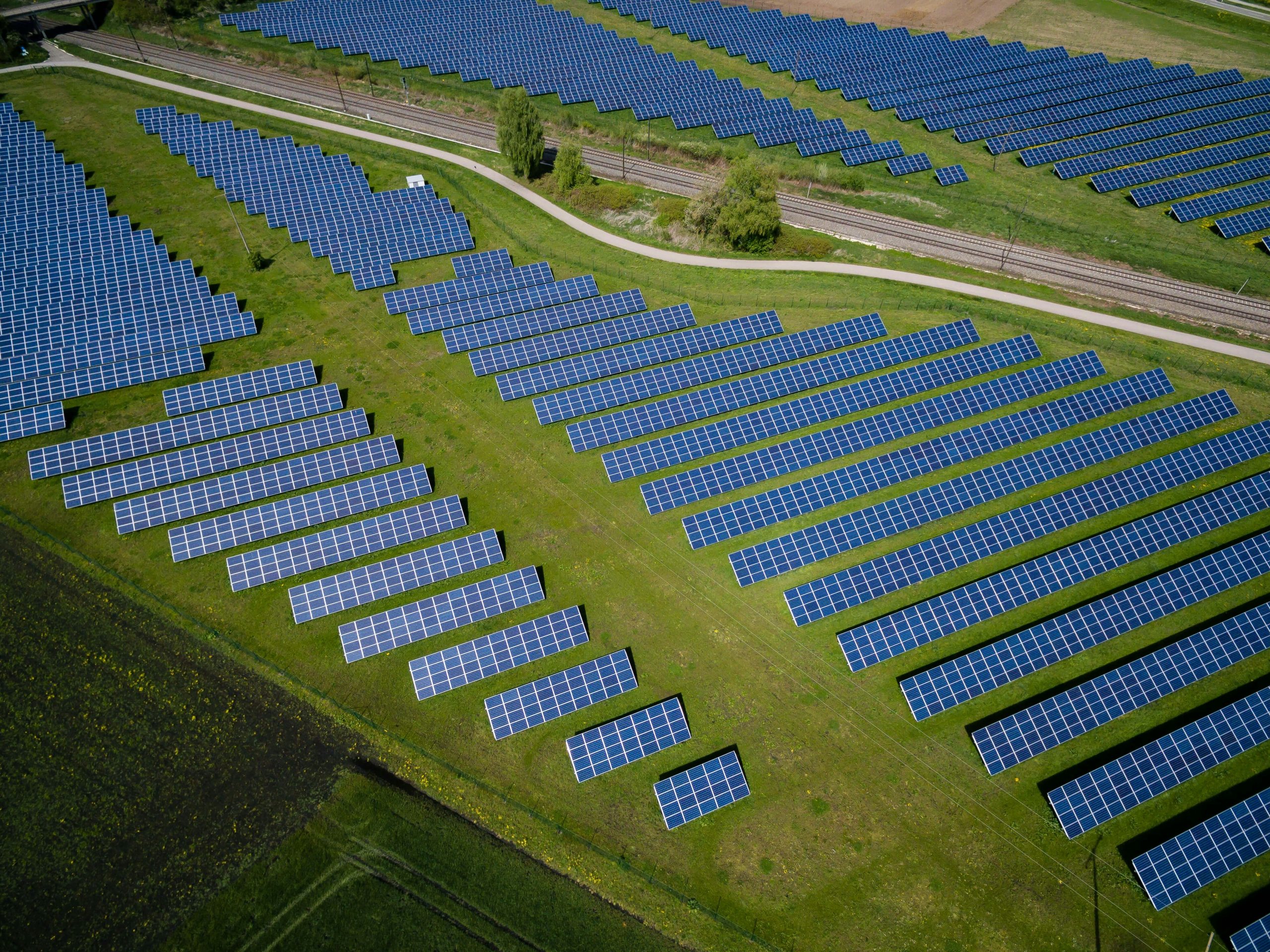
The opportunities that sit idel in the solar industry can now be mapped
It’s easy to underestimate how much sits unused. In Dubai, one of the Middle East’s more active rooftop markets, only 5.6% of the emirate’s 15,283 commercial and industrial rooftops carry solar today, which leaves 4 GW unbuilt in a single city. Across the wider Gulf the picture is starker still, with nearly 99% of 160,000 commercial rooftops sitting bare, and in New York City alone Planno has mapped 64,000 rooftops and 11 GW of untapped potential.
Even mature markets tell the same story. In Switzerland’s Lake Geneva region, more than half of the largest rooftops already have solar, but drop down to mid-sized buildings and adoption falls to 24%. The pattern holds almost everywhere: the biggest, most obvious owners move first, and everyone else leaves opportunity on the table, mostly because finding the next good site has been slow and expensive work. Domingues recognized this niche, which is why the company describes what it does less as a solar product than as an intelligence layer the industry never had.
Why the timing favours the roof
Electricity demand is at an all-time high as AI data centres, electrification, and air conditioning pull harder on grids, and prices have grown harder to predict along the way. For Domingues, the case for rooftops ultimately comes down to control.
“Oil and gas are global commodities. Even countries that produce them feel every shock, because the price is set somewhere else,” he said. “Rooftop solar is one of the few cost-control levers a commercial operator actually owns.”
Since Incubayt came on board, Planno has spread from the Gulf across the Middle East and into Asia, Europe, Africa, and North America — sixteen markets in total — serving customers that range from small regional installers to global energy operators. In Portugal, it recently teamed up with SparkWave Energy, a fast-growing developer backed by Octopus Energy Generation, to speed up rooftop discovery across the country, and the company was named Solar Startup of the Year at the MESIA Solar Awards 2026.
What Domingues wants, in the end, is to give ordinary developers the kind of data the majors already have. “We want every solar developer in every market, not just the largest ones, to have proper data to work with,” he said. “Incubayt’s early backing gave us the foundation to build that. We’re now applying the same playbook country by country.”