In 2026, access to reliable energy continues to be an issue for communities across the globe. Puerto Rico is one of the most poignant examples of this. Last year, Puerto Rico’s national power grid was unable to generate a third of the electricity needed to meet peak demand, nearly a decade after the country was hit by a devastating natural disaster, Hurricane Maria.
Nation-wide power outages are an unfortunately common occurrence across the island. The situation in Puerto Rico is a case in point that reliable, renewable energy is a privilege, not a guarantee for millions of people.
One startup, Raya Power, is on a mission to equalize energy resilience and access. Here’s how.
Solar’s accessibility gap
The situation in Puerto Rico is a testament to the precariousness of accessibility to reliable, secure, affordable, and renewable energy. Because of the extent of the power outages, local communities have been forced to find their own solutions to keep the lights on and water running. Now, 163,000 Puerto Rican households are pursuing a form of energy independence. One of the most popularly pursued avenues is solar power.
But traditional solar power comes with its own set of issues, including the fact that it has not been universally accessible. There are logistical, regulatory, and financial barriers that many struggle to overcome. That means a plethora of underserved consumer segments—renters, lower-income households, and more remotely located properties.
Propelling the rise of distributed, modular energy
Closing these gaps and leveling the playing field so marginalized communities can have access to reliable and renewable energy is at the heart of Raya Power’s mission. The startup’s founders, Nicole Gonzalez and Meghan Wood, are dedicated to helping people overcome these barriers for a better quality of life, starting with Puerto Rico.
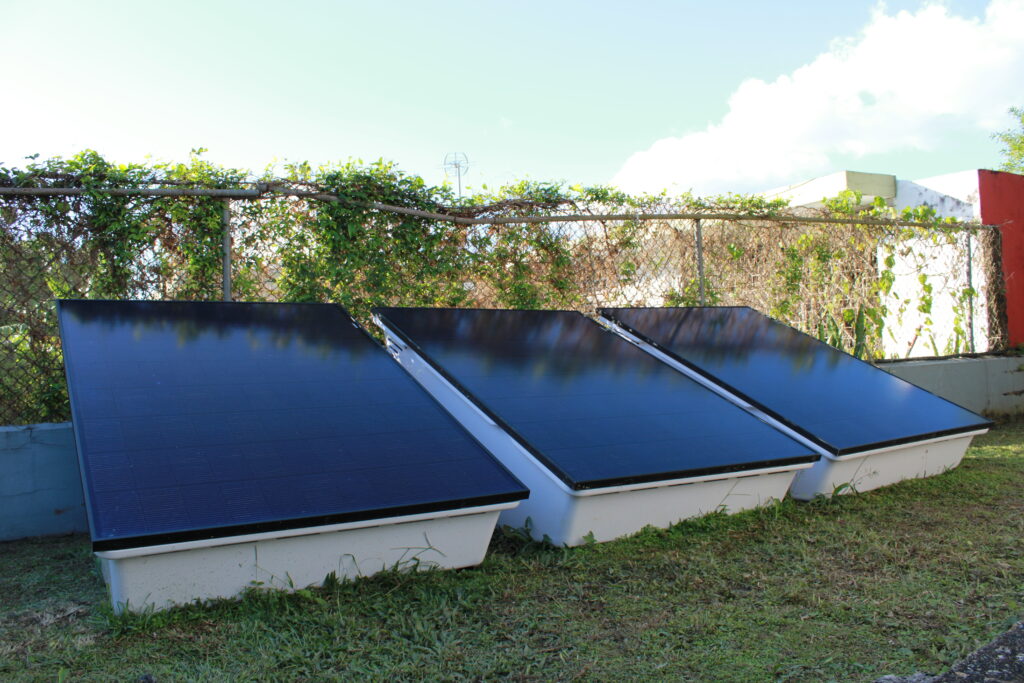
The founders have developed a cutting-edge technology that’s set to rewrite the future of solar power for households around the world. Instead of being an infrastructure power, Raya Power is based on an approach to solar power technology as an appliance. What normally takes weeks to install now takes a few hours, thanks to Raya Power’s plug-and-play solar and battery system.
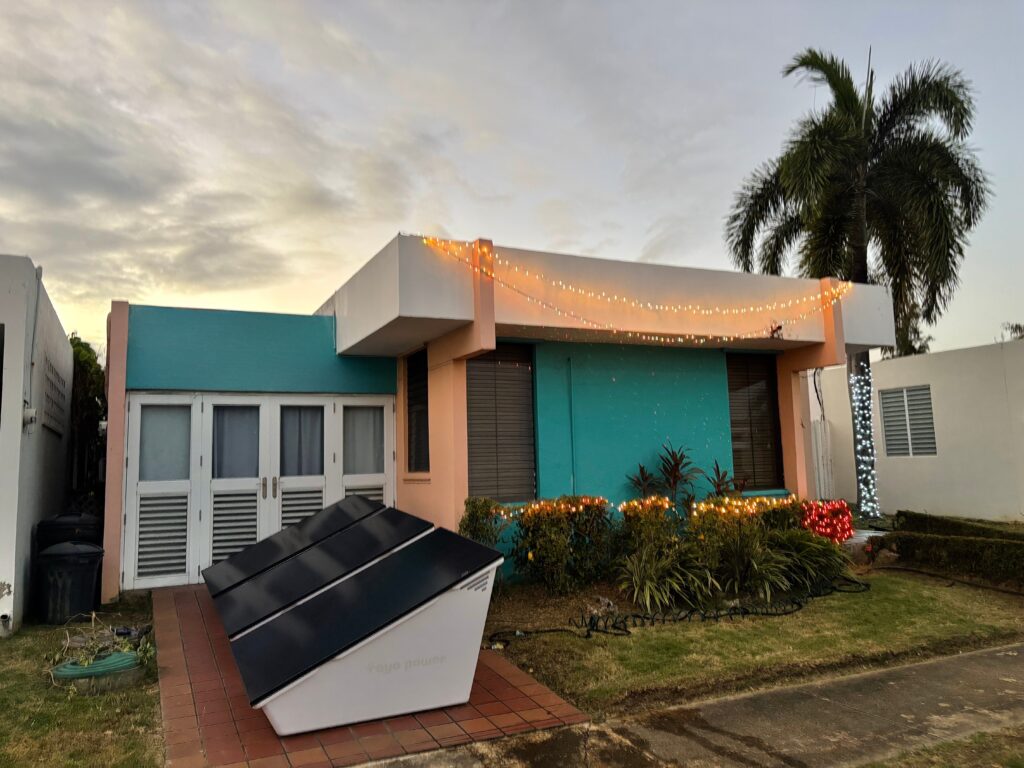
Moreover, homeowners are not beholden to outdated energy infrastructure. These energy systems, which move toward a more decentralized approach, have lower upfront costs and greater flexibility than traditional rooftop solar panels, slashing monthly utility bills, too. Families can also take Raya Power’s technology with them when they move, meaning a more secure, adaptable setup that better suits their needs.
And these tools are designed as an excellent, clean backup in times of outages. Historically, diesel-fueled backup generators have been the default, but they cause air and noise pollution. Raya Power’s solar-backed battery systems provide clean, quiet energy to support homes when disaster strikes.
Looking to the Future
While Raya Power is still in its early stages, the solar power startup’s future is looking bright. Having raised $1 million in January 2025, Gonzalez and Wood are focused on scaling Raya Power to help drive Puerto Rico’s “solar and battery renaissance.” Now, Raya Power has three systems operating in California and Puerto Rico, with 13 more upcoming deployments planned.
The startup’s model is one based on collaboration and empowering communities, with potential partnerships with NGOs and local initiatives. Instead of waiting for the grid to catch up, companies like Raya Power are innovating to bring power back to the local communities that desperately need it.
Featured image: Courtesy of Raya Power
Disclosure: This article mentions clients of an Espacio portfolio company.